How Long to Learn a Wedding Dance?
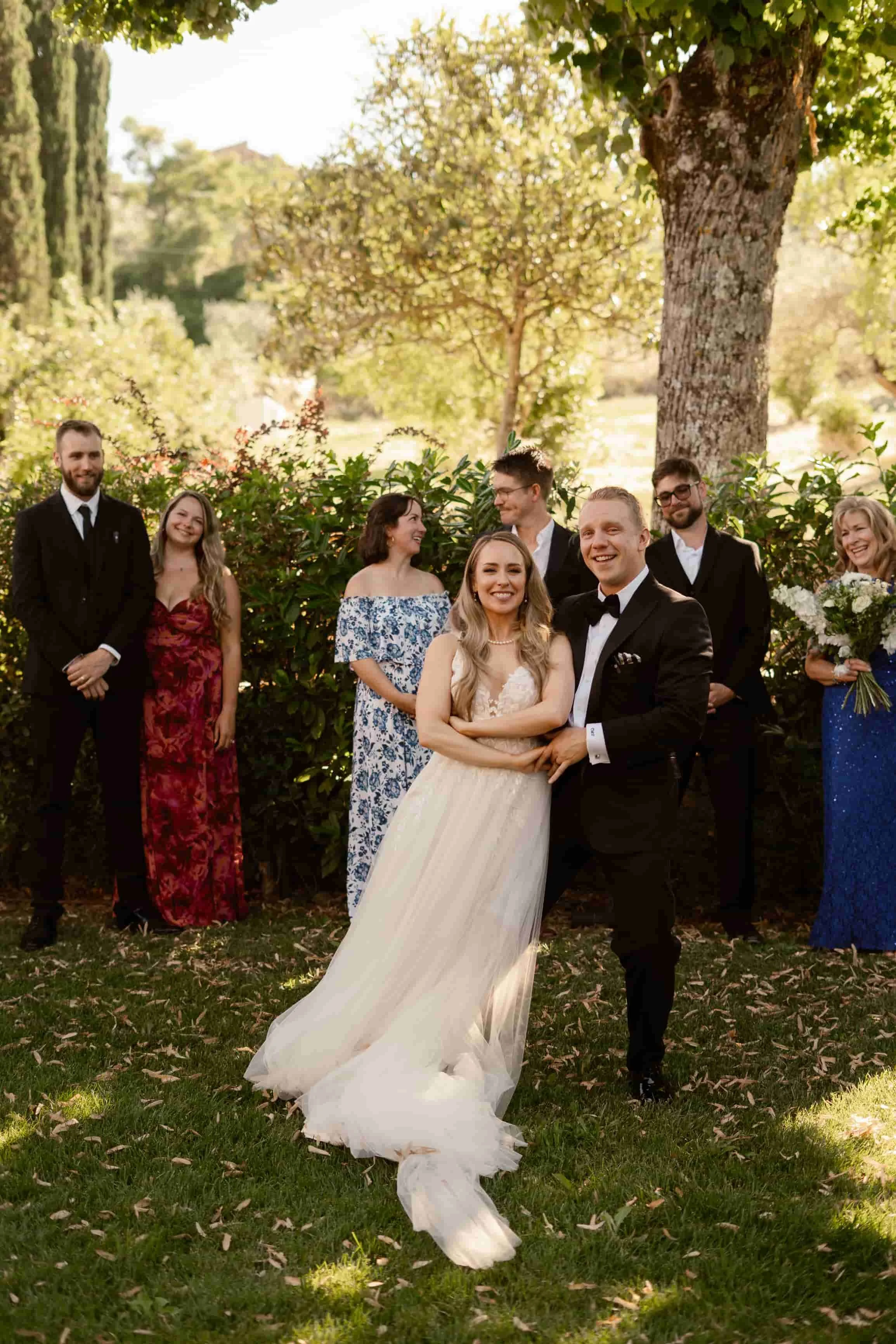
How long does it take to learn a wedding dance?
The answer depends on a few factors — but for most couples, it’s much more manageable than you might think.
The Short Answer
Most couples can learn a comfortable, confident wedding dance in:
👉 2 to 6 weeks
With consistent practice, even complete beginners can put together a simple and natural-looking dance in that timeframe.
Not sure how long your dance should actually be? You can read our full guide on how long a wedding dance should be here.
What Affects How Long It Takes?
Every couple is different, but a few key factors make the biggest difference:
1. How Simple or Detailed You Want Your Dance to Be
A simple dance (basic steps + flow) can come together in just a couple of weeks
A more structured or choreographed dance may take closer to a month or more depending on how often you practice and your level
The more complexity you add, the more time you’ll want to give yourself to properly feel prepared and comfortable.
2. How Often You Practice
Most couples do well with 2–3 short sessions per week. Even 10–20 minutes at a time can build confidence quickly.
The more consistently you practice, the faster you’ll learn and the more natural everything will start to feel.
One of the biggest advantages is that you can practice at home, on your own schedule. This makes it much easier to stay consistent and build confidence without feeling rushed or overwhelmed.
3. Your Starting Point
If you’ve never danced before — that’s completely normal.
Most couples are starting from scratch, and you’ll improve faster than you expect once you begin practicing consistently.
If you have danced before then you might have an advantage of adding more complexity in less time.
A Realistic Wedding Dance Timeline
Here’s what it typically looks like:
Week 1–2
Learn a few basic steps
Get comfortable moving together
Start building rhythm and timing
Week 3–4
Connect steps into simple combinations
Start feeling more natural
Build confidence with repetition
Week 5–6
Smooth everything out
Practice transitions and flow
Feel relaxed and confident
By this point, most couples feel ready.
If you’re just getting started, you can also check out our wedding dance FAQ for answers to common questions.
What If You’re Short on Time?
If your wedding is coming up quickly, don’t stress.
You can still create a beautiful first dance by:
Keeping things simple
Focusing on a few key movements
Prioritizing comfort over complexity
A simple, confident dance always looks better than something overcomplicated.
If you’re planning to practice at home, you can also read more about how to learn your wedding dance at home here.
Can You Learn a Wedding Dance Faster?
Yes — especially if you:
Follow a clear, step-by-step structure
Focus on the essentials
Practice consistently
Having a plan removes the guesswork and helps you progress much faster.
Choosing a simple style can also speed up your progress — you can explore beginner-friendly wedding dance styles here.
Common Mistakes That Can Slow You Down
Even though learning a wedding dance is very doable, there are a few common mistakes that can make the process feel harder than it needs to be.
1. Trying to Make It Too Complicated
It’s easy to feel like your dance needs to be impressive — but adding too many steps too quickly can actually slow you down.
Keeping things simple at the beginning helps you build confidence faster and makes everything feel more natural.
2. Waiting Too Long to Start
Many couples put it off because they’re unsure where to begin.
Starting earlier — even just a few weeks ahead — gives you more time to practice at a comfortable pace and enjoy the process instead of rushing.
3. Practicing Inconsistently
Practicing once in a while won’t give you the same results as short, regular sessions.
Consistency is what helps movements feel natural and builds real confidence over time.
4. Focusing on Perfection Instead of Connection
Your first dance isn’t about performing perfectly — it’s about enjoying the moment together.
When you focus too much on getting everything “right,” it can create unnecessary pressure and make the experience less enjoyable.
5. Not Having a Clear Plan
One of the biggest things that slows couples down is simply not knowing what to do next.
Having a clear, step-by-step approach helps you stay on track, practice more efficiently, and feel more confident as you go.
Final Thoughts
You don’t need months of training to feel confident in your first dance.
With just a few weeks of consistent practice, you can create something that feels natural, comfortable, and truly special.
Want a Step-by-Step Plan for Your First Dance?
If you’d like guidance on what to practice and when, you can explore our
👉 wedding dance lessons online
You’ll be able to learn at your own pace and build your dance step-by-step — even if you’re starting from scratch.
Planning Your First Dance?
Get our free First Dance Starter Guide and start preparing with confidence.